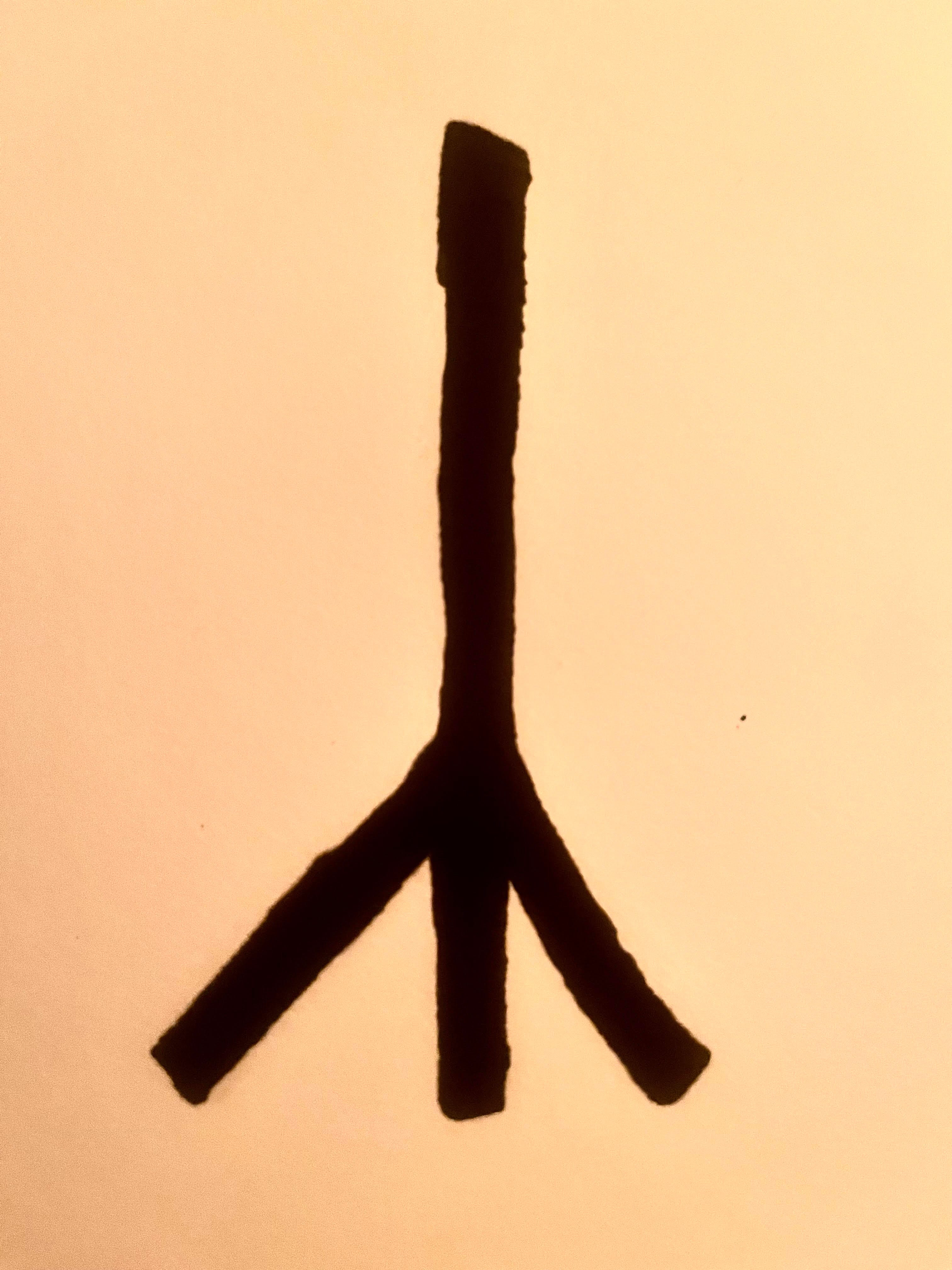
The Witch's Foot
An ancient symbol, one with iterations found across the globe. A symbol of power, magic and protection. What is The Witch's foot?

I first came across this symbol while researching barn hexes in Pennsylvaina. These often elaborate painted designs are said to help ward off witches and protect livestock, and are deserving of a post themselves. It’s a tradition brought over from across the sea from Germany. Nowadays, most of the farmers who use these patterns often favor the star-like designs, like this one here. It is said to represent the light of Christ. No “evil” or “witchcraft” allowed here, oh no!
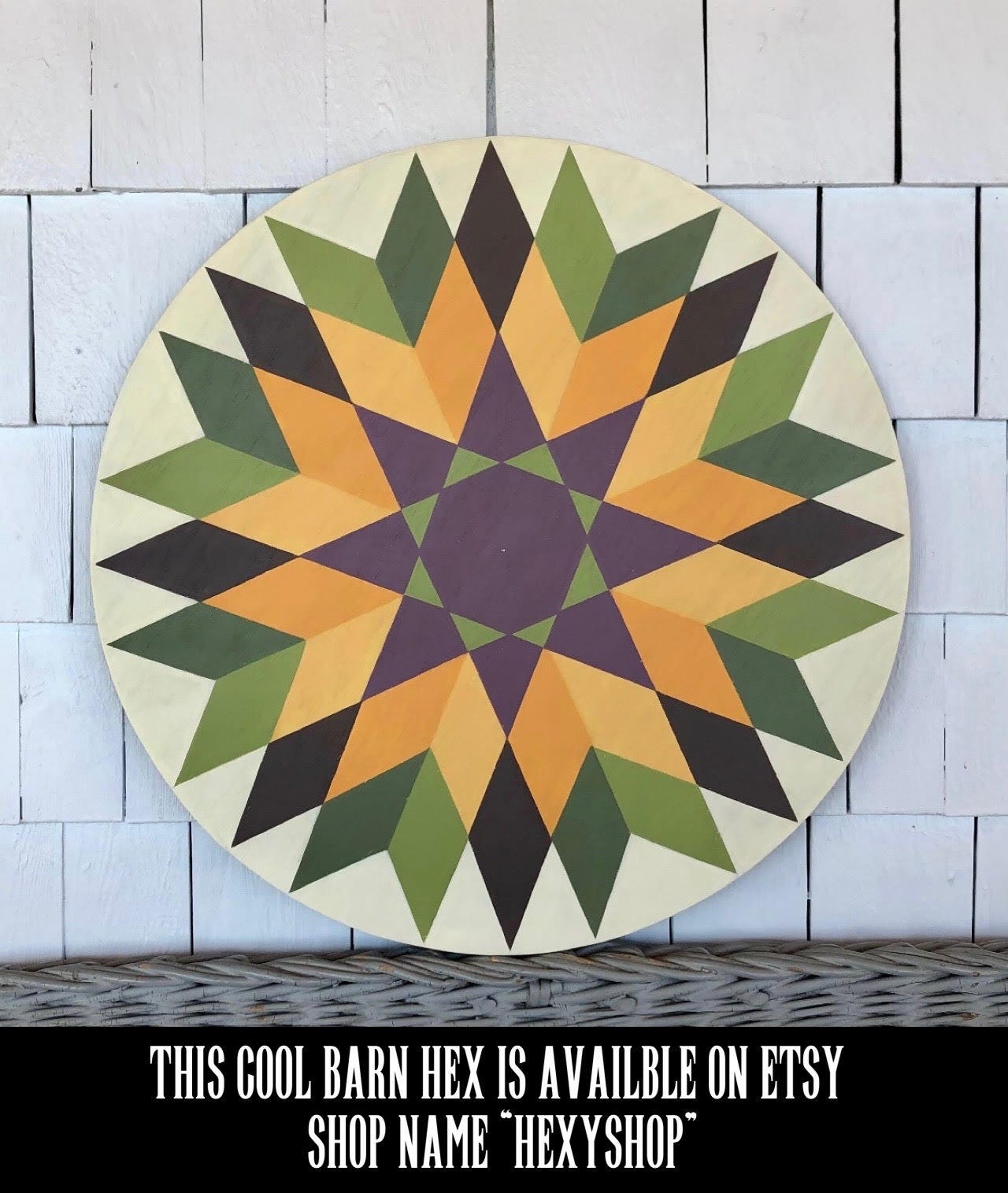
But...one wonders why they feel the need to invoke their Jesus on their barns in the first place? No need to put up a shield and certainly no need to go through all that trouble, especially in the days when colored paint was expensive…unless it was indeed a defense against something. Something outside the town. Something in the woods….
As I said, that is a topic for another time. The thing that caught my eye, amid all of the patterns, was a different particular pattern of crossed lines. This was not a pattern that was found painted on a barn, but rather a much older one, carved deep into the wood of door frames in Germany, where many of the early Pennsylvanian settlers came from . It was the “witches foot”, also called the “crow’s foot”. This, there is no illusions of Christianity about. It’s symbolic of an old belief, casting back at least to the middle ages, of witches using crows feet in magical spells. Depending on what side you are on, the witches foot offered protection and wisdom, or was a sign of dark magic and evil intent. The symbol would be found carved into the door frame, and was a variation of the even older practice, it is said, of hanging an actual crow foot from the door. The crow being a death omen would not be overlooked, and the whole “dead animal parts attached to your house” would certainly drive home any message of displeasure if it was intended as a curse. It is the German word for this curse. “Hexenfoo” which the “barn hex” gets it’s name from. Here using “hex” as a mark put on a building that has some magical power. “Hexe” is German for witch, so when you go hexing someone, you are in fact “witching” them.
You will see this practice a lot in those peoples who fear witches. They will try and use the witchcraft in reverse. The witch bottle operates on the same principal, using magic to counter magic. Here we have scared farmers trying to use sigils to magic away the witches and protect their farms. There you have frightened people attempting to use magic to trap a witch and protect a victim. Modern witchcraft owes much to frightened souls who attempted to defend against things they didn’t understand. These people spread old beliefs through fear, far more than the actual practitioners of magic ever would have.It is through this folk magic that we can learn our history. History that was rarely written down, but past on through the years from witch to witch, and believer to believer.
As modern times make modern people, many of these old folk traditions become hidden or absorbed into other things. People deny that they were ever used for witchcraft. If it can be turned into something inoffencive then perhaps it shall survive. Something liked the Hexenfoo on the other hand is harder to clean up. Information on it is hard to find. Scraping the internet leads to barn hexes, and hurried assurances that it was never used for evil.
I have my doubts, but I don’t mind evil.